Overview:
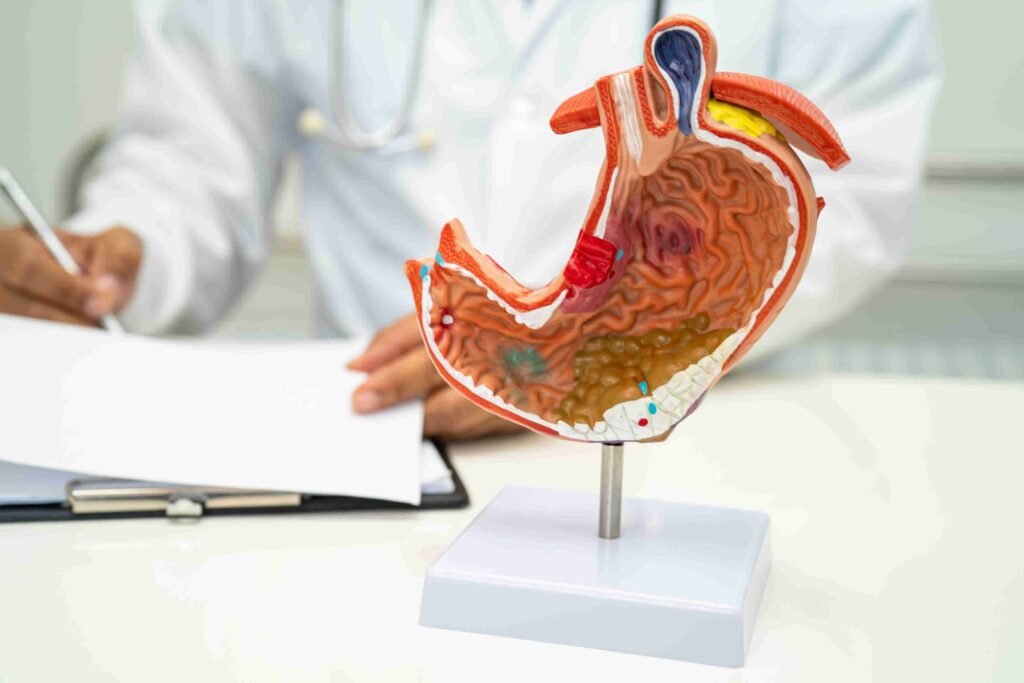
GI interventions treat urgent and complex gastrointestinal issues such as severe bleeding, obstructions, or tumors using minimally invasive, image-guided procedures. These approaches control bleeding, relieve blockages, and treat tumors without major surgery.
Symptoms & Diagnosis:
-
GI bleeding: vomiting blood, passing black or tarry stools, dizziness
-
Obstruction: abdominal pain, bloating, vomiting
-
Tumors: weight loss, changes in bowel habits
-
Diagnosis via endoscopy, CT angiography, or MRI
Procedure Details:
Includes:
-
Embolization – to stop GI bleeding
-
Stent placement – to relieve obstructions
-
Tumor ablation or drainage – for GI tumors
-
Performed via catheter inserted into arteries under real-time imaging guidance
Benefits:
-
Controls bleeding quickly
-
Avoids major surgery in emergencies
-
Shorter recovery and hospital stay
-
Effective for elderly or medically fragile patients
Risks & Considerations:
-
Risk of re-bleeding after embolization
-
Possible injury to surrounding tissues
-
Requires skilled imaging and follow-up monitoring
Recovery & Aftercare:
-
Typical recovery: 1–3 days
-
Follow-up imaging and clinical checks to ensure bleeding has stopped and stents remain functional
Patient Experience:
Many patients experience immediate relief from life-threatening bleeding or obstruction, with minimal post-procedure discomfort.
FAQs:
Q: What are GI interventions used for?
A: To stop bleeding, relieve obstructions, or destroy tumors in the gastrointestinal tract.
Q: Is embolization safe?
A: Yes, when performed by experienced interventional radiologists, it’s highly effective and minimally invasive.