Overview:
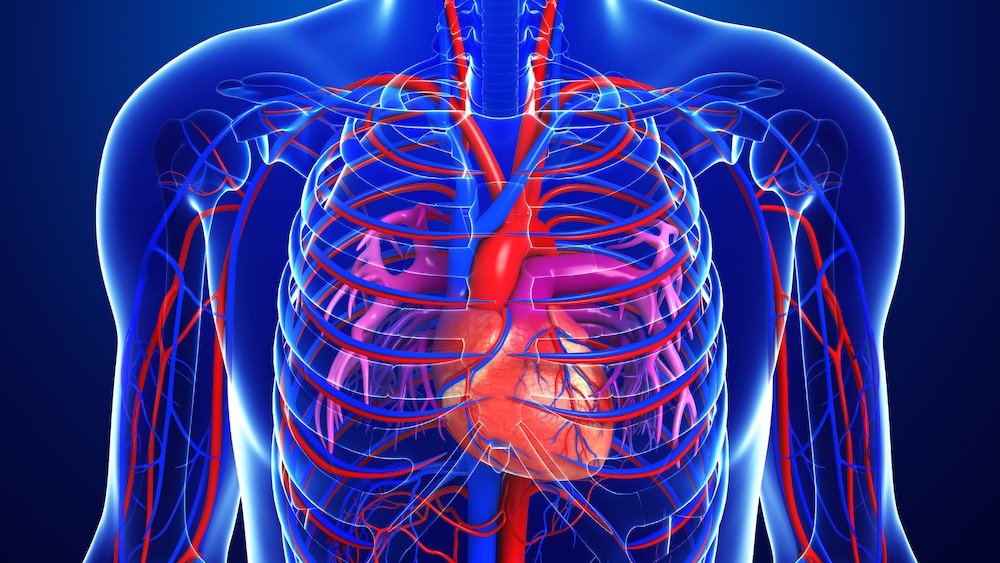
Aortic interventions address life-threatening conditions such as aortic aneurysms or dissections using minimally invasive endovascular techniques. These procedures prevent rupture, control bleeding, and restore normal blood flow with reduced surgical trauma.
Symptoms & Diagnosis:
-
Aortic aneurysm: back or abdominal pain, pulsating abdominal mass
-
Aortic dissection: sudden severe chest or back pain, low blood pressure
-
Diagnosis via CT angiography, MRI, or ultrasound
Procedure Details:
Includes:
-
Endovascular Aneurysm Repair (EVAR) – stent graft placement to repair aneurysm
-
Thoracic Endovascular Aortic Repair (TEVAR) – for thoracic aorta
-
Performed via small incisions in the groin, inserting a catheter under imaging guidance
Benefits:
-
Life-saving in emergencies
-
Short hospital stay
-
Lower surgical risk compared to open repair
-
Suitable for elderly and high-risk patients
Risks & Considerations:
-
Endoleak (persistent blood flow around graft)
-
Graft migration or blockage
-
Requires precise imaging and long-term follow-up
Recovery & Aftercare:
-
Typical recovery: 1–3 days
-
Regular imaging follow-up is critical to detect complications early
-
Long-term monitoring for graft integrity
Patient Experience:
Patients often experience rapid recovery, minimal pain, and life-saving results, especially in urgent cases of aneurysm or dissection.
FAQs:
Q: What is EVAR?
A: A minimally invasive stent procedure to repair abdominal aortic aneurysms via small groin incisions.
Q: How does it compare to open surgery?
A: It offers shorter recovery, less pain, and similar success rates for eligible patients.