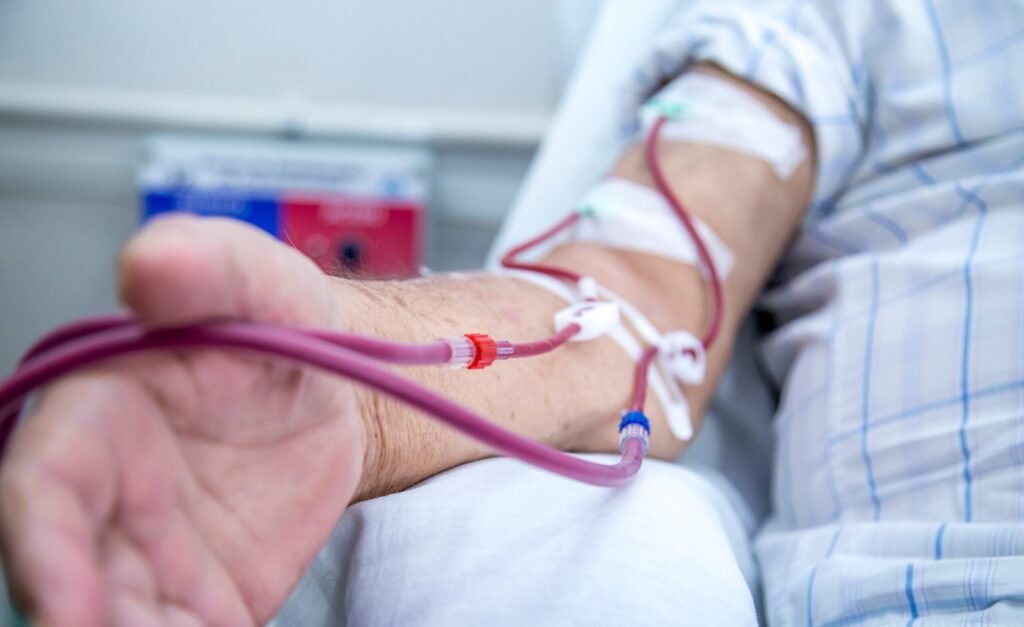
Chronic Kidney Disease (CKD) is a progressive condition that often leads to the need for dialysis. Reliable vascular access is critical for patients undergoing dialysis therapy. At Vascular IR Clinics India, we offer advanced interventional radiology procedures to create, maintain, and salvage dialysis access sites—ensuring safe, effective, and long-term care for patients with kidney disease.
Understanding Vascular Access
Vascular access is the lifeline for dialysis patients. It includes:
- AV Fistula (Arteriovenous Fistula): A connection between an artery and vein.
- AV Graft: A synthetic tube used when natural vessels aren’t suitable.
- Dialysis Catheter: A temporary solution for immediate dialysis.
Complications like narrowing, clotting, or poor flow can compromise access, requiring urgent treatment to maintain dialysis.
Signs of Access Dysfunction
- Swelling in arm or neck
- Decreased dialysis efficiency
- Bleeding at access site
- Bruising or infection
Our Diagnostic Approach
- Fistulography: Imaging the fistula for blockages
- Duplex Doppler Ultrasound
- CT Angiography
Minimally Invasive Treatment Options
- AV Fistula Creation – Safely creating new access with high long-term patency.
- Balloon Angioplasty – Opening up narrowed veins in existing fistulas or grafts.
- Thrombectomy – Mechanical removal of clots.
- Catheter Placement – For urgent dialysis initiation.
- Stent Placement – To maintain vessel patency in complex cases.
Benefits of IR in Dialysis Care
- Immediate restoration of access
- Avoidance of open surgery
- Local anesthesia only
- Day-care procedures
Dialysis Access Maintenance Program We offer scheduled evaluations and prompt intervention to avoid emergency catheter placements and prevent long dialysis interruptions.
Collaborative Kidney Care Our interventional radiologists work with nephrologists and dialysis centers to provide integrated care, minimizing patient burden and maximizing treatment success.
Why Choose Us?
- High success in access salvage
- Expertise in complex AV access cases
- Quick recovery and minimal discomfort
- Customized follow-up plans for long-term management
Patient Experiences We have helped numerous dialysis patients maintain uninterrupted treatment schedules and avoid long-term catheter dependency. Many report fewer complications and improved quality of life after switching to our care.
FAQs
How often do fistulas need maintenance?
Fistulas typically require check-ups every 3–6 months to ensure proper function and prevent blockages.
Can I avoid a catheter with early intervention?
Yes, early creation and care of a fistula or graft can often eliminate the need for a dialysis catheter.
How soon after a procedure can dialysis be resumed?
Dialysis can usually resume within 24–48 hours after most access procedures, depending on your recovery.