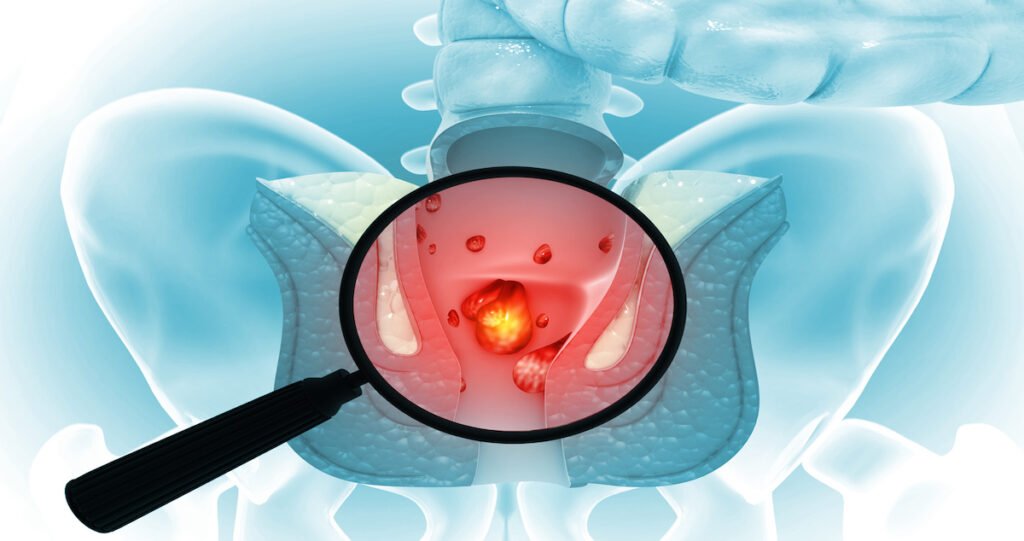
HAE is a minimally invasive, catheter-based procedure to treat internal hemorrhoids by reducing blood supply to the affected area, offering relief without surgical excision.
Symptoms & Diagnosis:
-
Bright red rectal bleeding
-
Anal discomfort and itching
-
Swelling around the anus
-
Proctoscopy and colonoscopy are used for diagnosis
Procedure Details:
Via a small puncture in the groin or wrist, a catheter is guided to the superior rectal arteries. Embolizing particles are injected to block blood flow to hemorrhoids, leading to shrinkage.
Benefits:
-
No general anesthesia
-
Minimal pain
-
Short recovery
-
Preserves anorectal anatomy
-
Suitable for patients unfit for surgery
Risks & Considerations:
-
Mild rectal discomfort
-
Temporary constipation or urgency
-
Not suitable for external hemorrhoids
Recovery & Aftercare:
Return to daily life within 1–2 days. Minor post-procedure discomfort may occur. Avoid straining during bowel movements. Follow-up imaging and dietary adjustments may be advised.
Patient Experience:
Most patients report reduced bleeding and improved quality of life within weeks.
SEO Keywords:
hemorrhoid embolization, non-surgical hemorrhoid treatment, bleeding hemorrhoid relief, HAE treatment India
FAQs:
Q: How is HAE different from traditional surgery?
A: HAE does not involve cutting or removal—it targets the blood vessels supplying the hemorrhoids, offering relief with minimal discomfort.
Q: Is it permanent?
A: Many patients experience long-lasting relief, though recurrence depends on lifestyle and dietary habits.
Q: Who is a good candidate for HAE?
A: Patients with grade II or III internal hemorrhoids, especially those not responding to conservative management.