Peripheral Vascular Disease (PVD) and diabetic foot complications represent significant public health challenges, particularly in diabetic and aging populations. These conditions, when not treated timely, can lead to chronic pain, ulcers, and in severe cases, amputations. At Vascular IR Clinics India, under the expert leadership of Dr. Pawan Kumar, we offer cutting-edge, minimally invasive procedures to manage and treat these issues effectively.
Understanding Peripheral Vascular Disease
PVD occurs when narrowed arteries reduce blood flow to the limbs, most commonly affecting the legs. The condition is a result of atherosclerosis, where plaque builds up inside the arteries. This can cause pain during walking (claudication), slow-healing wounds, cold extremities, and even tissue death.
Risk factors include:
- Diabetes
- Smoking
- High blood pressure
- High cholesterol
- Obesity
- Sedentary lifestyle
Diabetic Foot Complications
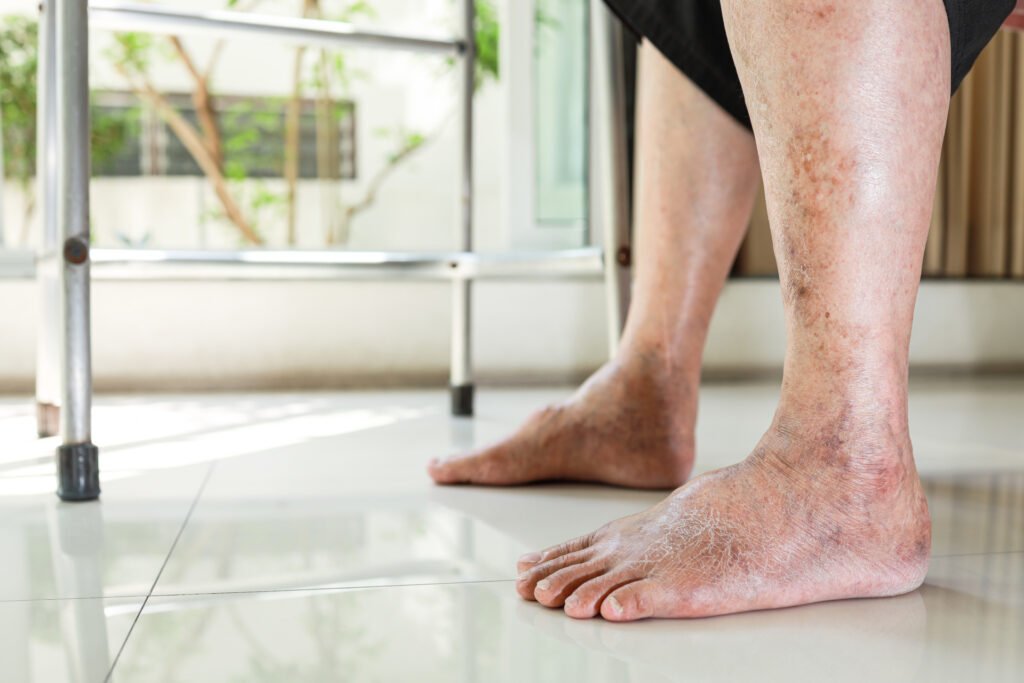
Diabetes can damage blood vessels and nerves, especially in the lower limbs, leading to loss of sensation and poor circulation. Small cuts or blisters can turn into serious infections, ulcers, or gangrene, significantly increasing the risk of amputation.
Diagnostic Tools Used at Our Clinic
- Duplex Ultrasound
- Ankle-Brachial Index (ABI)
- CT Angiography
- Digital Subtraction Angiography (DSA)
Minimally Invasive Treatment Options
- Angioplasty: A balloon catheter is used to open narrowed arteries, restoring blood flow.
- Stenting: A mesh tube is inserted to keep the artery open.
- Thrombolysis: Dissolving blood clots using targeted medication.
- Atherectomy: Removing plaque from arteries using a catheter-based device.
- Wound-Directed Revascularization: Specific targeting of blood flow to ischemic wounds to enhance healing.
- Bypass Avoidance Techniques: Interventional alternatives to surgical bypass.
Limb Salvage Program
Our clinic specializes in limb preservation techniques. Many patients who are advised to undergo amputation elsewhere are successfully treated here using advanced IR techniques.
Multidisciplinary Care Approach We work closely with diabetologists, vascular surgeons, wound care specialists, and physiotherapists to ensure holistic care.
Benefits of IR for PVD & Diabetic Foot
- No general anesthesia required
- Less risk of infection
- Outpatient or short hospital stay
- Faster healing and mobility recovery
- Excellent long-term outcomes
Post-Treatment Care
- Regular follow-ups with ABI and ultrasound
- Diabetes and cholesterol control
- Wound care management
- Lifestyle modifications and physiotherapy
Why Choose Vascular IR Clinics India?
- Led by Dr. Pawan Kumar with 14+ years of experience
- Over 2,500 vascular procedures successfully completed
- State-of-the-art imaging and intervention facilities
- Personalized treatment planning
Patient Success Stories We have numerous patient cases where limbs were saved even in critical ischemic stages. Testimonials speak of pain-free walking, healed ulcers, and drastically improved quality of life.
Frequently Asked Questions
How long does angioplasty take?
The procedure usually takes 30 minutes to 1 hour, depending on the complexity.
Is there a risk of recurrence?
Yes, re-narrowing (restenosis) can happen over time, especially without lifestyle changes.
Will I need multiple sessions?
In some cases, yes, especially if multiple vessels are involved or symptoms return.